Can I place a container or tiny home in my backyard in Metro Vancouver?
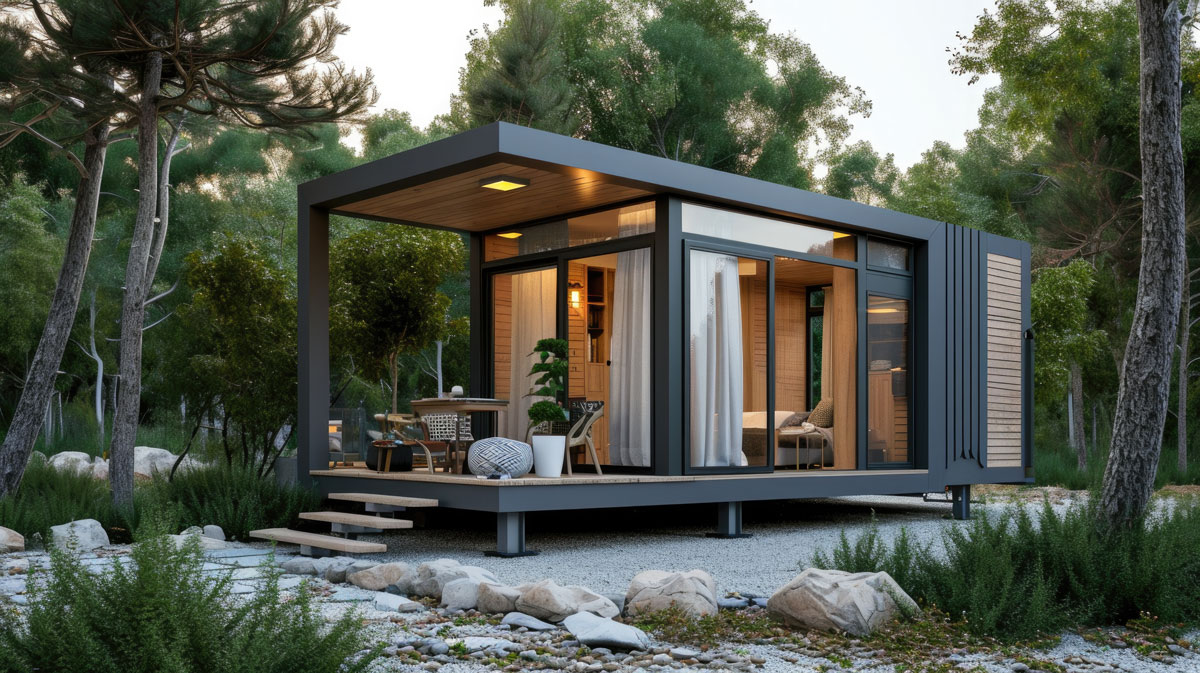
Not always. Each municipality sets its own zoning rules. Some cities (like Squamish, Victoria, Nanaimo, Tofino) are piloting programs, but in Metro Vancouver most single-family lots are restricted unless the home is treated like a laneway or coach house.
Do I need a full foundation and utility hookups?
Yes. Tiny and container homes must connect to municipal water, sewer, and hydro (BC Hydro). A concrete pad or pier foundation is usually required, adding 20–30% to project costs.
Can I go off-grid with rainwater or compost toilets?
The BC Building Code requires all dwellings to connect to potable water and a sanitary system. Composting toilets and rainwater harvesting can be used, but they must be signed off by a professional engineer and meet strict CSA standards.
Are container homes recognized under BC codes?
Yes, but there’s a gap. While the BC Building Code doesn’t prohibit them, container conversions must meet CSA standards for manufactured homes or be approved case by case by city building inspectors.
How can I insure or finance a tiny or container home?
This is a challenge. If the unit isn’t on a permanent foundation, banks won’t issue mortgages. Most buyers rely on savings, or private loans. Insurance companies also vary: some treat tiny/container homes like RVs, meaning coverage is limited.
Are container homes safe to live in?
Yes — when built properly. Safety depends on more than the steel box:
- They must be engineered and retrofitted for insulation, moisture control, ventilation, and fire safety.
- Windows, doors, plumbing, and electrical all need to meet the BC Building Code.
- Some municipalities require CSA certification or structural engineer approval before granting occupancy.
Magnum ensures your home is inspected, permitted, and brought to code so it’s safe for year-round living.
Where do these homes come from?
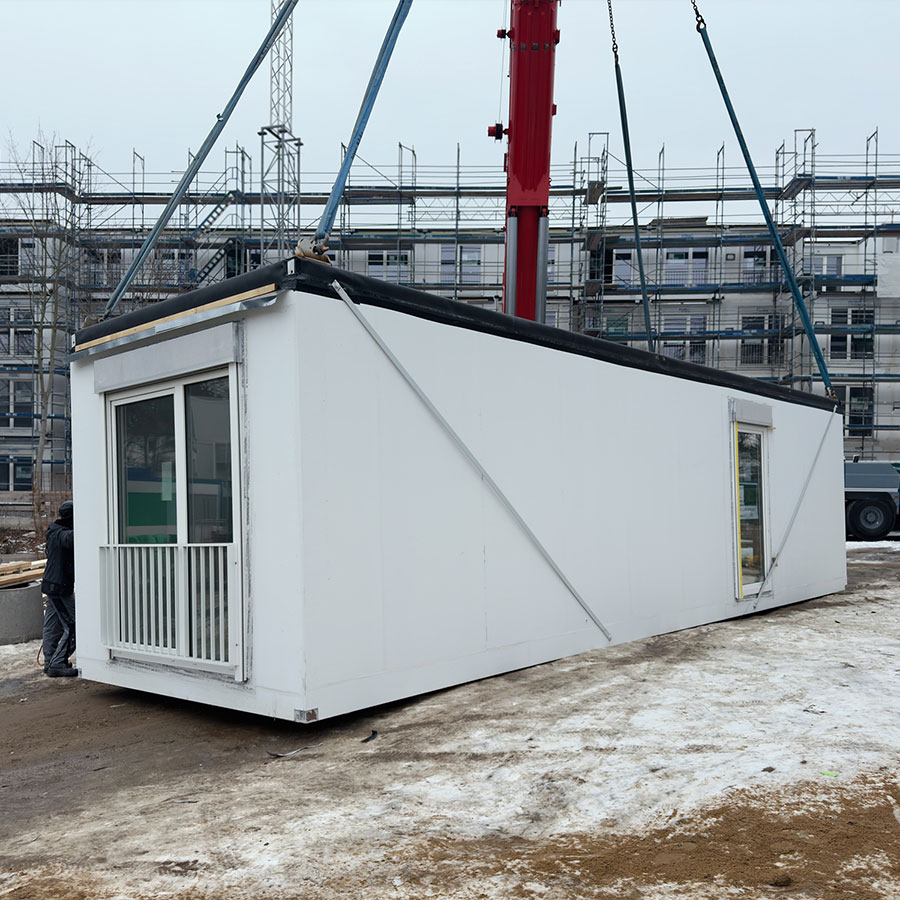
Local prefab/container fabricators – Some BC and Alberta companies specialize in CSA-certified modular and container builds.
Overseas suppliers – Cheaper upfront, but often don’t meet BC standards and require significant rework.
Custom builds – Magnum partners with certified fabricators and manages import, permitting, and site preparation, so you don’t end up with a unit you can’t legally place or occupy.