
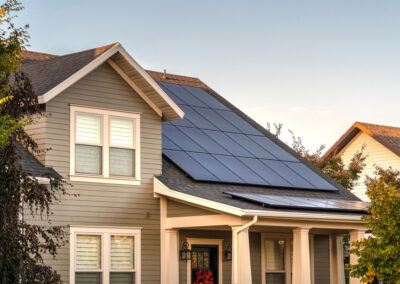
Coach Houses
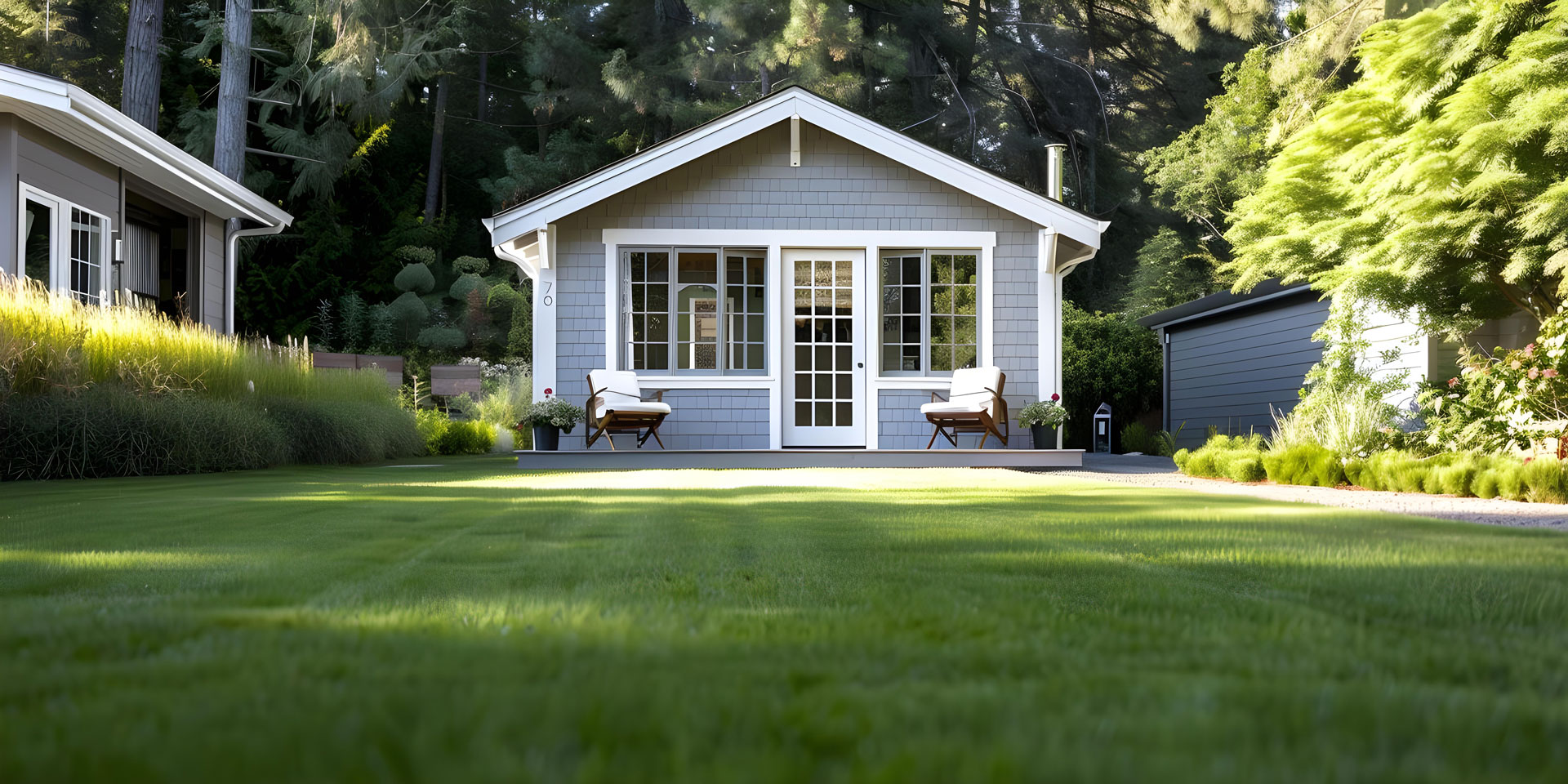
Coach Houses
Homeowners in Metro Vancouver often ask: what’s the difference between a coach house and a laneway house? While both add independent living space to your property, they aren’t exactly the same. Here’s what you need to know before starting your project.
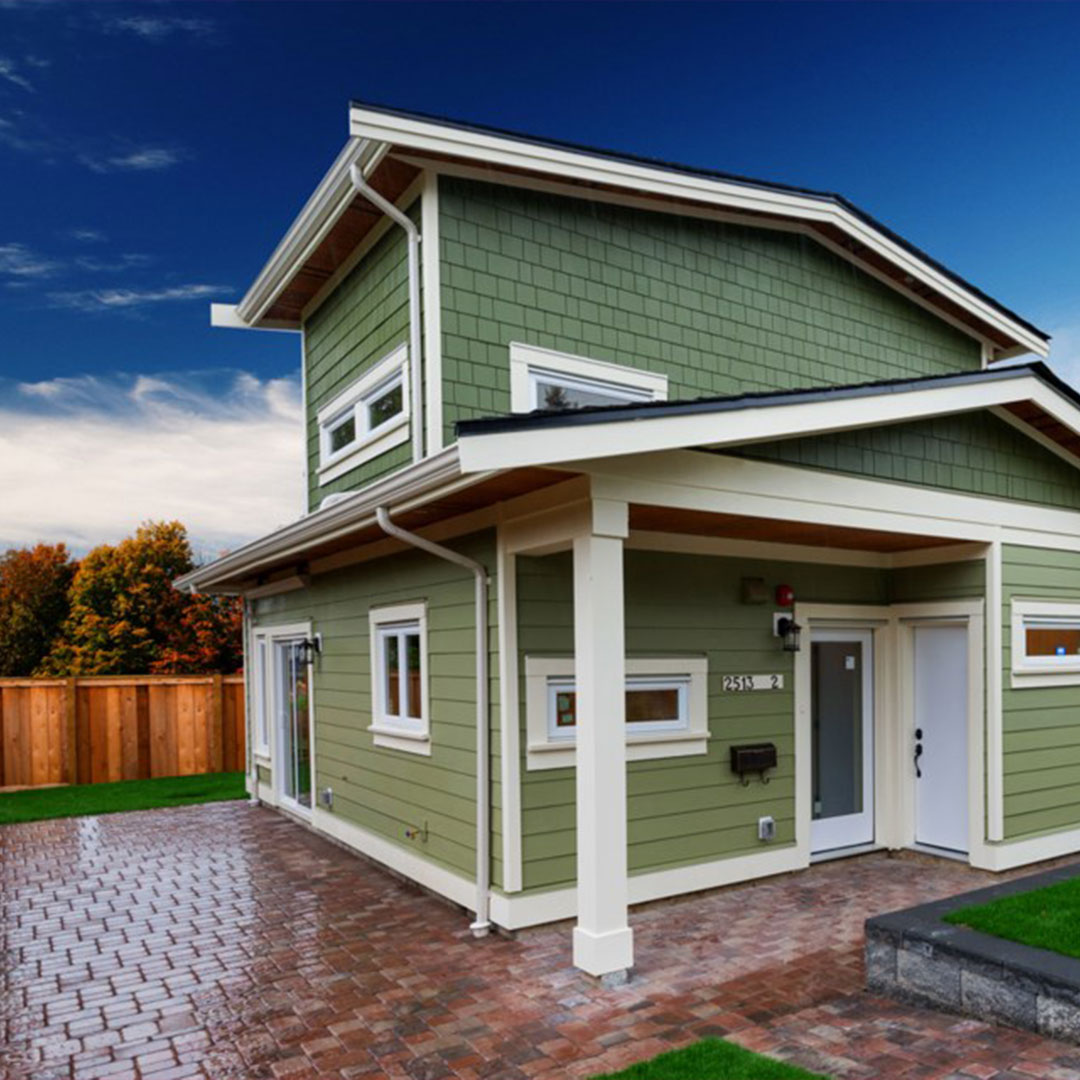
Key Differences
- Location – Laneway houses face the lane; coach houses can be anywhere on the lot.
- Zoning – Laneway homes are specific to urban settings like Vancouver; coach houses are often permitted on larger suburban or rural properties.
- Design – Coach houses may be bigger and offer more layout flexibility, while laneway homes maximize smaller city lots.
- Privacy – Laneway homes are more independent, with their own entrance and parking; coach houses sometimes share driveways or outdoor space.
Costs and Considerations
The cost of a laneway house in Vancouver typically starts around the $300,000 range, depending on site conditions, access, and design. Coach houses may vary more widely since municipalities outside Vancouver allow different sizes and layouts.
Beyond construction, it’s important to understand tax and zoning implications. For example, a laneway home rented to tenants may not qualify under the principal residence exemption when selling your property. Professional advice is key to planning both smartly and legally.
Beyond construction, it’s important to understand tax and zoning implications. For example, a laneway home rented to tenants may not qualify under the principal residence exemption when selling your property. Professional advice is key to planning both smartly and legally.
Costs and Considerations
The cost of a laneway house in Vancouver typically starts around the $300,000 range, depending on site conditions, access, and design. Coach houses may vary more widely since municipalities outside Vancouver allow different sizes and layouts.
Beyond construction, it’s important to understand tax and zoning implications. For example, a laneway home rented to tenants may not qualify under the principal residence exemption when selling your property. Professional advice is key to planning both smartly and legally.
Beyond construction, it’s important to understand tax and zoning implications. For example, a laneway home rented to tenants may not qualify under the principal residence exemption when selling your property. Professional advice is key to planning both smartly and legally.

How Magnum Helps
At Magnum Construction Services, we act as your general contractor to simplify the process. We:
- Review your property for feasibility.
- Coordinate with designers and engineers.
- Submit permits and navigate city requirements.
- Manage trades, timelines, and budgets.
- Deliver high-end craftsmanship with transparency and care.
FAQ
How long will it take to recover my costs from a laneway or coach house?
Laneway homes can fetch $2,500–$4,500 per month, translating to $30,000–$54,000 per year in rental income vancouverhomehub.ca.
According to the City of Vancouver and local realtor data, properties with laneway or coach homes can sell for significantly more, often reflecting 15–20% higher resale value compared to similar lots without one.
Can I sell my laneway house or coach house separately from my main home?
No. In Metro Vancouver, laneway houses and coach houses cannot be sold separately from the main home. They remain part of the same property title and cannot be strata-titled or subdivided into their own lot.
Can my new build coach or laneway be converted to commercial Use?
No. Laneway and coach houses must remain residential. Converting to commercial use would require rezoning—and most residential zones don't permit that
How long does it take to get a permit for a laneway house or coach house in Metro Vancouver?
Permit timelines vary by municipality, but in Metro Vancouver it usually takes 3 to 6 months to secure approvals for a laneway or coach house. The process includes zoning checks, architectural and structural drawings, and reviews by multiple city departments. In some cases, it can take longer if the city requests revisions or if the property has unique conditions. At Magnum, we manage the entire permit application on your behalf, coordinating with designers, engineers, and city staff to keep the process as smooth and efficient as possible.
How long does it take to build a laneway house or coach house?
On average, construction takes about 6 to 9 months once permits are approved. A smaller, straightforward laneway home may be completed closer to 6 months, while a larger or more customized coach house with added features (like a suite, loft, or high-end finishes) can extend toward 9 months or longer. The timeline includes excavation, foundation, framing, utilities, and final finishing. At Magnum, we create a detailed schedule and manage all trades so your project stays on track from start to finish.
Build Smart.
Build a Coach House.
Build a Coach House.
Turn your property into an income-generating asset or flexible family space with a fully detached suite.